

THE EFFECTIVENESS OF ASSISTED REPRODUCTIVE TECHNOLOGIES AND INTRAUTERINE INSEMINATION PROGRAMS AT THE PERINATAL CENTER
Main Article Content
Abstract
The article presents data on assisted reproductive technologies (ART) programs and intrauterine insemination (IUI) procedures performed at the ART Department of the Republican Clinical and Practical Center for Animals for 2013-2024.
The purpose of the study is to analyze the structure and evaluate the effectiveness of registered assisted reproductive technologies and intrauterine insemination cycles performed at the ART Department for 2013-2024.
Methods: The data of reports registered for the period from January 1, 2013 to December 31, 2024 were analyzed. The reports included data on cycles of exstapolopary fertilization (IVF), intracytoplasmic sperm injection into the cytoplasm of the egg (ICSI), cryopreservation of embryos, intrauterine insemination (IUI).
Results: The number of ART programs increased by 199 procedures (41%) from 2013 to 2024, while the number of ART procedures increased by 141.8%, while the number of IVF procedures decreased by 88.7%.
Conclusion. The effectiveness of ART depends on the type of procedure: the effectiveness of IVF for transvaginal puncture (TVP) increased from 24.1% in 2013 to 30.1% in 2024, the effectiveness of ICSI for TVP increased from 22.1% to 28.2%, the effectiveness of cryotherapy increased from 26.1% to 32.7%.The effectiveness of IUI, despite a decrease in the total number of procedures, increased almost twofold: from 8.9% in 2013 to 16.7% in 2024. According to the reports, the number of ART programs increased by 41% in 2013-2024.
Keywords
Author Biographies
Elena Nikolaevna Kravchenko,
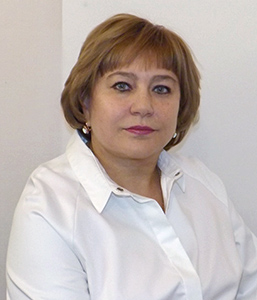
doctor of medical sciences, professor, head of the department of obstetrics and gynecology N 1
Lyudmila Gennadyevna Makarkina,
candidate of medical sciences, head of the assisted reproductive technologies department
Vasily Anatolyevich Vereshchak,
clinical laboratory diagnostics physician, leading embryologist of the department of assisted reproductive technologies
Article Details
Information about financing and conflict of interests
The authors declare that they have no apparent or potential conflicts of interest related to the publication of this article.
 This work is licensed under a Creative Commons Attribution 4.0 License.
How to Cite
References
1. Carson SA, Kallen AN. Diagnosis and Management of Infertility: A Review. JAMA. 2021. 326(1): 65-76. doi: 10.1001/jama.2021.4788
2. Doronicheva DA, Stuleva NS. Key milestones in the history of in vitro fertilization. Obstetrics, Gynecology and Reproduction. 2020; 14(2): 246-251. Russian (Дороничева Д.А., Стулева Н.С. Основные вехи истории экстракорпорального оплодотворения //Акушерство, Гинекология и Репродукция. 2020. Т. 14, № 2. С. 246-251.) doi: 10.17749/2313-7347/ob.gyn.rep.2020.115
3. Szamatowicz M, Szamatowicz J. Proven and unproven methods for diagnosis and treatment of infertility. Adv Med Sci. 2020; 65(1): 93-96. doi: 10.1016/j.advms.2019.12.008
4. Berdnikova AI, Ushakova IV, Gavisova AA, Ibragimova MKh, Durinyan ER. The influence of sperm DNA fragmentation on the outcomes of spontaneous pregnancy and pregnancy using assisted reproductive technology programs. Obstetrics and Gynecology. 2024; 12: 12-19. Russion (Бердникова А.И., Ушакова И.В., Гависова А.А., Ибрагимова М.Х., Дуринян Э.Р. Влияние фрагментации ДНК сперматозоидов на исходы беременности, наступившей самостоятельно и при применении программ вспомогательных репродуктивных технологий //Акушерство и гинекология. 2024. № 12. С. 12-19). doi: 10.18565/aig.2024.191
5. Bellver J, Donnez J. Introduction: Infertility etiology and off spring health. Fertil Steril. 2019; 111(6): 1033-1035. doi: 10.1016/j.fertnstert.2019.04.043
6. Ratmanov MA, Benyan AS, Tselkovich LS, et al. Assisted reproductive technologies in the Samara region: effectiveness, complications, promising areas of work. Postgraduate Bulletin of the Volga Region. 2020; 1-2: 19-27. Russion (Ратманов М.А., Бенян А.С., Целкович Л.С., и др. Вспомогательные репродуктивные технологии в Самарской области: эффективность, осложнения, перспективные направления работы //Аспирантский вестник Поволжья. 2020. № 1-2. С. 19-27.) doi: 10.17816/2072-2354.2020.20.1.19-27
7. Isupova OG. Assisted reproductive technologies: new opportunities. Demograficheskoe obozrenie. 2017; 4(1): 35-64. Russion (Исупова О.Г. Вспомогательные репродуктивные технологии: новые возможности //Демографическое обозрение. 2017. Т. 4, № 1. С. 35-64.)
8. Korsak VS, Smirnova AA, Shurygina OV. ART Register of RAHR, 2017. Russian Journal of Human Reproduction. 2019; 25(6): 9-21. Russion (Корсак В.С., Смирнова А.А., Шурыгина О.В. Регистр ВРТ Российской ассоциации репродукции человека. Отчет за 2017 год //Проблемы репродукции. 2019. Т. 25, № 6. С. 9-21.) doi: 10.17116/repro2019250619
9. Lokshin V, Suleimenova M, Karibayeva Sh, Baykoshkarova S, Ibragimov A, Azhetova Zh, Begaidarova A. Assisted reproductive technologies in Kazakhstan (data from the National ART Registry for 2020). Reproductive medicine (Central Asia). 2024; (1): 8-16. Russion (Локшин В., Сулейменова М., Карибаева Ш., Байкошкарова С., Ибрагимов А., Ажетова, Ж, Бегайдарова А. Вспомогательные репродуктивные технологии в Казахстане (данные Национального регистра ВРТ за 2020 г.) //Репродуктивная медицина (Центральная Азия). 2020. № 1. С. 8-16.) doi: 10.37800/RM.1.2024.8-16
10. Lokshin VN, KaribaevaShK, Omar MD. The availability of infertility treatment using ART in various socio-economic groups: A literature review. Reproductive medicine (Central Asia). 2019; 3(40): 8-12. Russion (Локшин ВН, Карибаева ШК, Омар МД. Доступность лечения бесплодия с помощью ВРТ в различных социально-экономических группах. Обзор литературы //Репродуктивная медицина. 2019. Т. 3, № 40. С. 8-12.)
11. Lokshin V, Omar M, Karibaeva S. Assisted Reproductive Technologies in the Republic of Kazakhstan: A 6-Year Trend Analysis from Efficacy to Availability. J Reprod Infertil. 2022; 23(1): 8-12. doi: 10.18502/jri.v23i1.84546